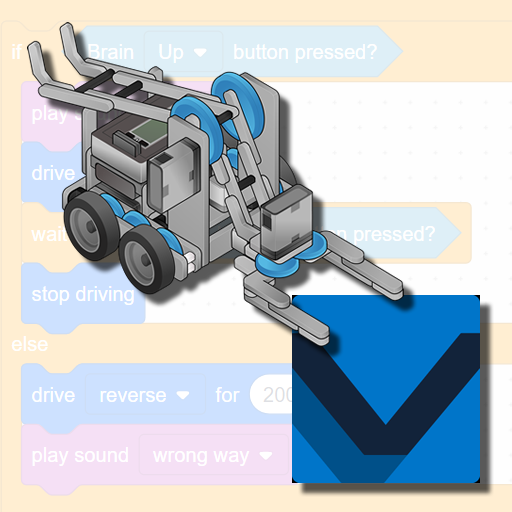
Learn about coding and computational thinking with the VEX IQ (2nd Gen) robot.
Coding and Computational Thinking with VEX IQ (2nd Generation) provides a structured sequence of programming activities in real-world project-based contexts. The projects are designed to get students thinking about the patterns and structure of not just robotics, but also programming and problem-solving more generally. This curriculum includes videos, animations, and step-by-step lessons designed to help beginners learn behavior-based programming using the VEX IQ 2nd Generation hardware and VEXcode programming software.
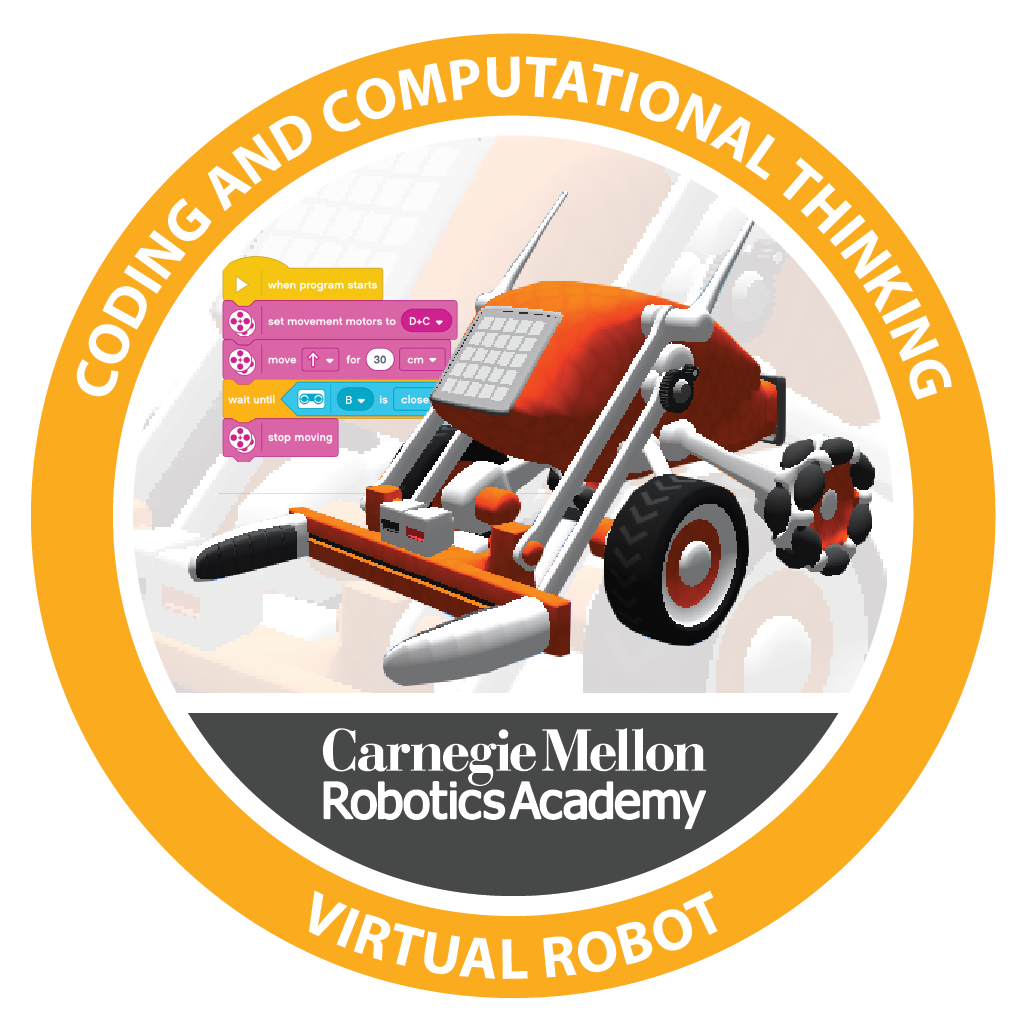
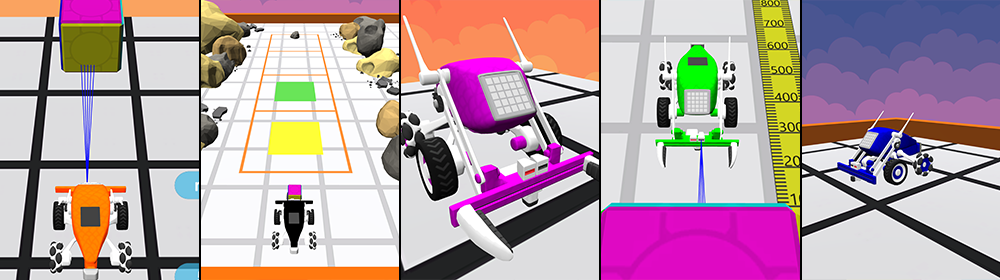
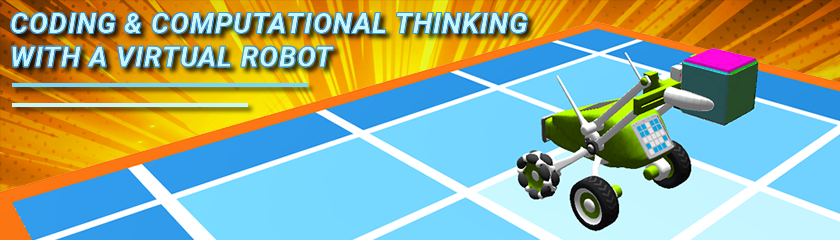
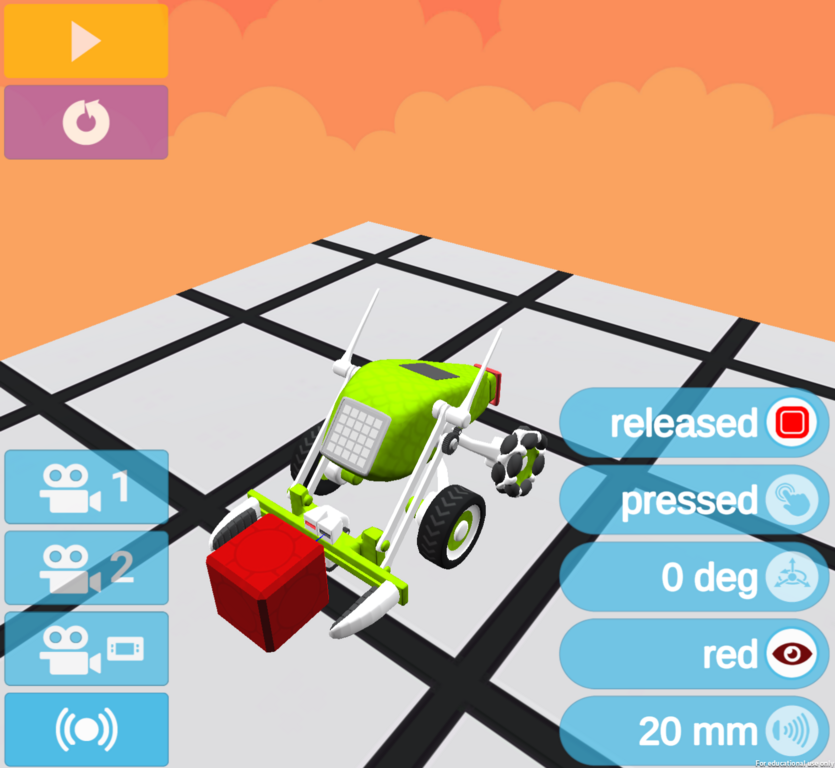
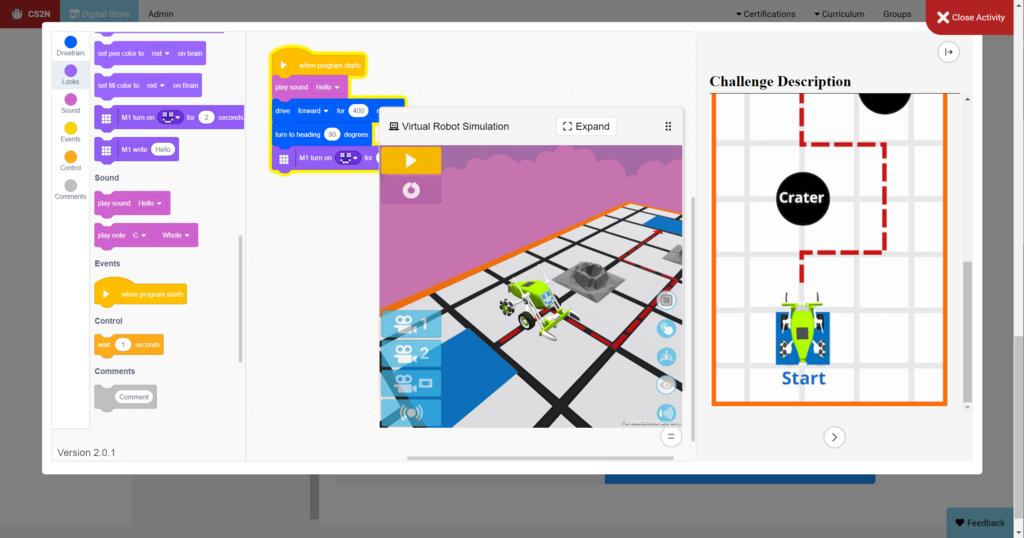
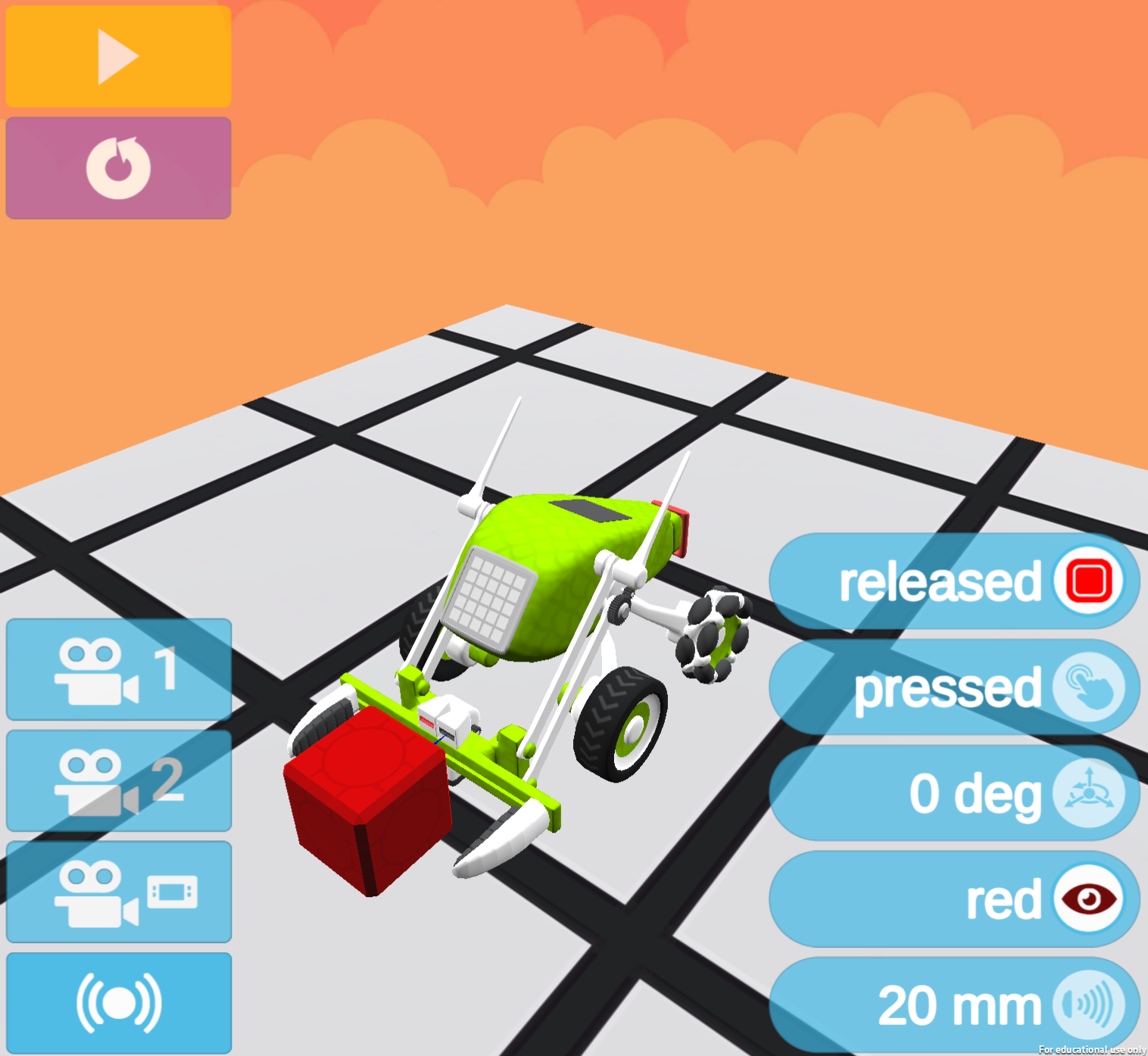
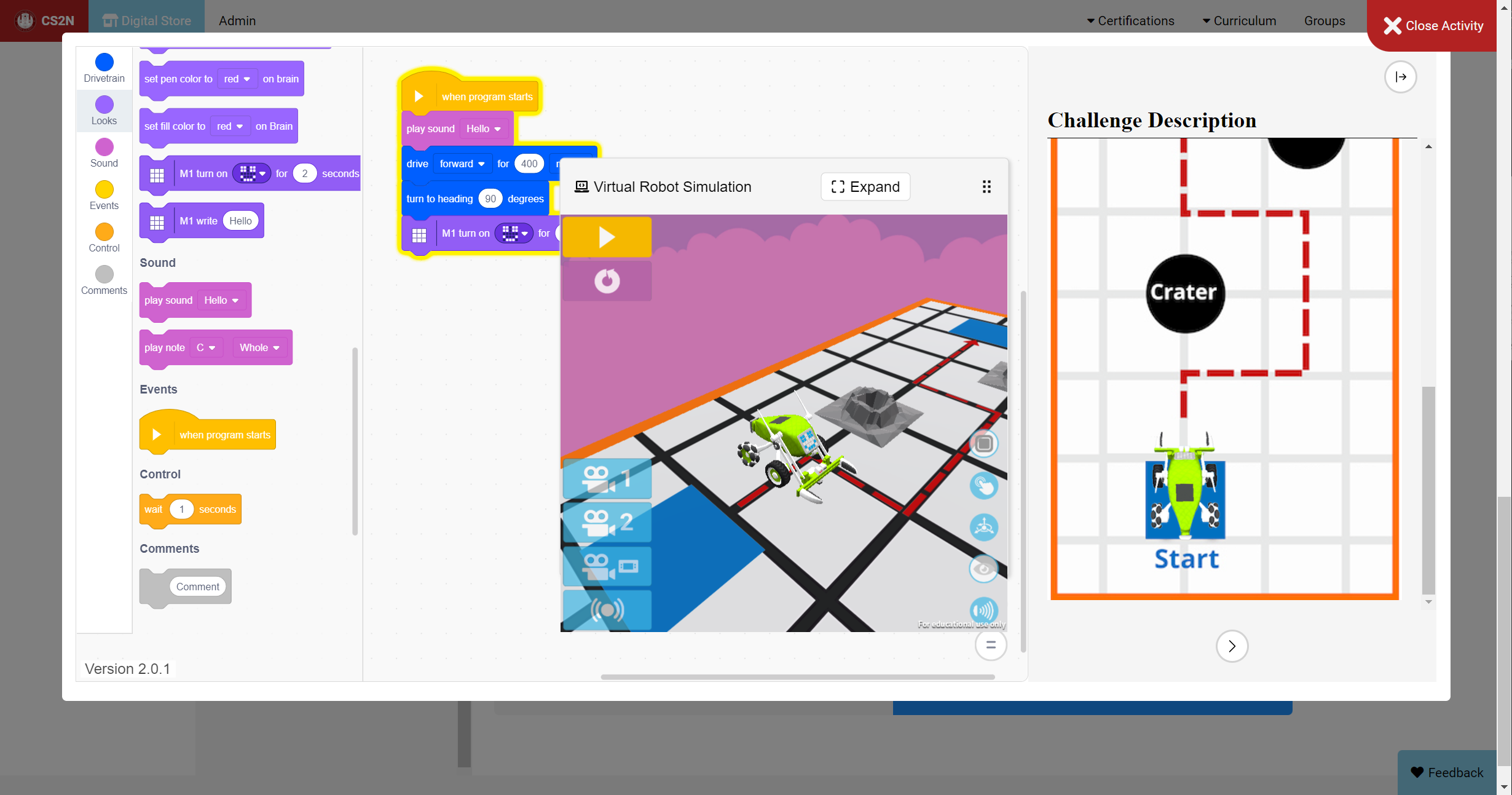
Coding and Computational Thinking with a Virtual Robot features a programming interface and virtual robot embedded directly within the curriculum. Teachers and students can follow along with the included videos, animations, challenges, and step-by-step lessons. The projects are designed to get students thinking about the patterns and structure of not just robotics but also programming and problem-solving more generally. Coding and Computational Thinking with a Virtual Robotfeatures a brand-new bot designed by our team, lovingly dubbed "VICE" (short for Virtual-Integrated Curriculum Environment). VICE packs a wide variety of sensors (touch, color, distance, gyro) to detect its environment, outputs (pixel display, speaker, LCD, LED) to communicate with you, and motors (drivetrain, arm, claw) to navigate its environment and manipulate objects. Robotics educators that use robotics kits with similar features and form factors (VEX, Arduino, Cozmo, Vector, and many others) will find productive overlap in the programming concepts the physical and virtual robots can be used to teach; the scope and sequence of this virtual curriculum are very closely aligned to ourCoding and Computational Thinking with VEX IQcurriculum for physical robots, allowing teachers to leverage both physical and virtual robots to best suit their needs. vice_sensors.png635 KB
The Coding and Computational Thinking with a Virtual Robot curriculum is broken down into 9 units: Getting Started, Programming the Hub, Robot Movement, Digital Sensors, Analog Sensors, Loops, Discrete Decisions, Capstone: Subterranean Challenge, and Continuous Decisions. Over 75 programmable virtual environments are embedded throughout, allowing students to learn big ideas in robotics, coding, computational thinking, and mathematics.
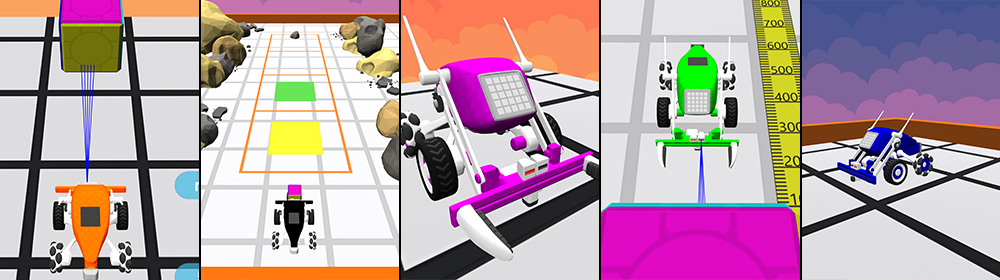
VICE Collage_small.png247 KBCoding and Computational Thinking with a Virtual Robottakes a just-in-time and embedded approach. As students make progress through the course (which the Learning Management System keeps track of), CS2N ensures sure that students are presented with the corresponding instructions, virtual environment, and programming interface. CS2N automatically saves student code progress with each activity so that they never lose it and teachers never have to track it down. Virtual activities can be run as many times as the student needs to foster their understanding, and their completion is automatically awarded so that students know when to move on.
Once they have a license, teachers and students can use the curriculum whether they’re at home, school, or anywhere else in the world as long as they have an Internet-connected Chromebook, Windows PC, and Mac.
Introduction to Programming (1st Gen) provides a structured sequence of programming activities in real-world project-based contexts. The projects are designed to get students thinking about the patterns and structure of not just robotics, but also programming and problem-solving more generally. This curriculum includes videos, animations, and step-by-step lessons designed to help beginners learn behavior-based programming using the VEX IQ hardware and VEXcode IQ Blocks scratch-based programming software.
NOTICE: On 8/18/2021, Amazon AWS permanently discontinued support for network protocols used by Robot Virtual Worlds and Expedition Atlantis. These products are no longer able to communicate with CS2N. Please see this article for details.
Introduction to Programming provides a structured sequence of programming activities in real-world project-based contexts. The projects are designed to get students thinking about the patterns and structure of not just robotics, but also programming and problem-solving more generally. This curriculum includes videos, animations, and step-by-step lessons designed to help beginners learn behavior-based programming using the VEX IQ hardware and ROBOTC Graphical programming software.